How long does mold remediation take in a house?
Small jobs often take one or two days. Larger basement or attic jobs can take three to five days, plus drying time. Rebuild adds more. Ask the provider for a timeline in the written estimate.
Request a remediation estimate
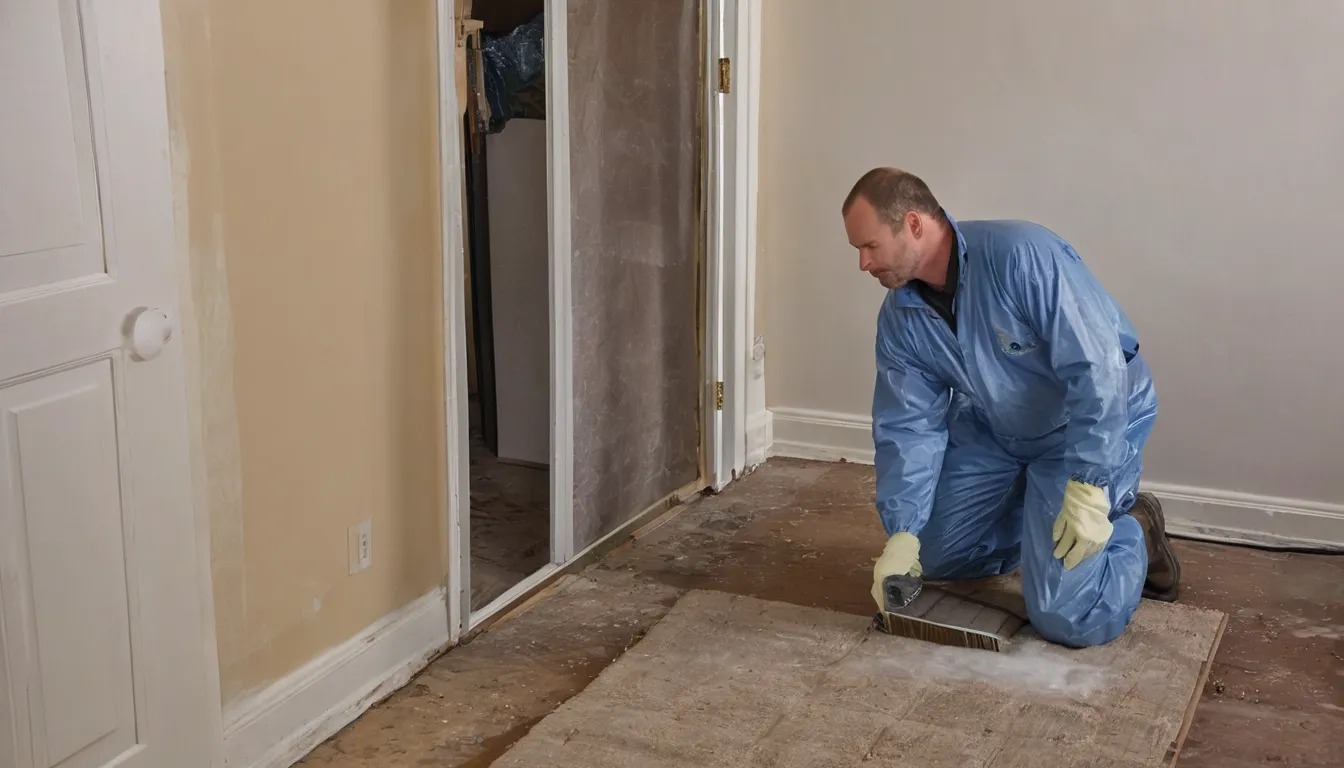
Remediation is the full process of dealing with mold that has spread past a small surface spot. A provider sets up containment, removes affected drywall, insulation or carpet, cleans the framing that stays, dries the space and fixes or points out the moisture source. Most jobs end with a check to confirm the area is clean and dry before walls go back up.
The price of that process depends on what the provider finds. A basement corner with wet drywall is a smaller job than an attic where the roof deck has been damp for years. In older homes, past repairs and hidden cavities can widen the scope once work begins. A written estimate that lists each step lets you compare providers fairly and plan your budget before anything is torn out.
If you have found growth on a wall, floor or ceiling, start by finding where the water is coming from. Shut off a leaking supply line if you can. Run a dehumidifier in a damp basement and keep the door to the area closed. Avoid scrubbing or sanding the mold, since that spreads spores into the rest of the house.
Take photos of the area and anything that looks wet. Those pictures help when you talk with a provider, and they can help if you later contact your insurer.
Mold grows where moisture stays. A small patch on drywall can move into the paper backing, the insulation and the wood studs behind it. Each new layer means more material to remove and a larger work area to contain. A job that might have been a few hundred dollars can grow into several thousand if the leak keeps running through a season.
Older houses add another factor. Old plaster, wood lath and layered flooring hold water longer and take more labor to open and close.
Most providers follow a similar sequence, though the details vary by house.
Without containment, disturbed spores can drift into ductwork and other rooms. That can turn a single-room job into a whole-house cleaning. Sealing the area adds a line to the estimate, and it protects the rest of your home and your budget. If a quote skips containment for anything bigger than a small closet, ask why.
If the moisture stays, mold usually returns after removal. Common sources around here include:
Full basements with sump pumps are common. A failed pump, a clogged discharge line or poor grading can let water seep in during spring storms.
Cold winters push warm, damp indoor air into attics, where it condenses on roof boards. Better venting and air sealing may be needed.
Slow drips under sinks, behind toilets and around old roof flashing often go unnoticed until stains appear.
Some providers fix the source themselves. Others point it out so you can hire a plumber or roofer. Ask which approach a provider takes and whether that work is in the quote.
Some policies may cover mold that results from a sudden event, like a burst pipe or appliance failure. Gradual leaks and ongoing humidity are often excluded. Check your policy before work begins. Providers can often help document damage with photos and notes that you can share with your insurer.
Put two or three written estimates side by side and check:
The smallest total may leave out steps that another provider includes. A clear scope makes the comparison fair.
Once the area passes the final check, rebuild can begin. Some remediation providers handle drywall and paint. Others leave that to a separate contractor, which may cost less or may add scheduling time. Keep your estimate, invoices and any test results in one folder. They are useful if you sell the house later. Keep an eye on humidity, aiming for roughly 30 to 50 percent indoors, and check the original problem spot after the next big storm.
Ask how long the job will take, who handles disposal, and whether the price could change once walls are opened. A provider who explains these things clearly makes it easier to plan.
The provider looks for leaks, condensation and drainage problems before planning removal or pricing the job.
Plastic sheeting and air filtration keep spores inside the work zone while damaged material comes out.
Wet drywall, insulation and carpet pad are cut out, bagged and hauled away.
Fans and dehumidifiers dry the area, followed by a check before any rebuild begins.
These are typical U.S. ranges. Your price depends on the size of the area, access, the materials involved and the age of the house. Ask for a written quote and compare more than one before you decide.
| Job | Typical range | Notes |
|---|---|---|
| Small area, under 10 sq ft | $500 to $1,500 | Often one wall section or a closet |
| Basement section | $1,500 to $4,000 | Depends on finished walls and flooring |
| Crawl space | $1,500 to $5,000 | Tight access adds labor |
| Attic roof deck | $2,000 to $6,000 | May need venting changes |
| Whole-floor or larger job | $6,000 to $15,000+ | Wide spread across several rooms |
| Rebuild after removal | $1,000 to $5,000+ | Drywall, paint, flooring; often quoted separately |
Call or send the form with what you see, where it is, and roughly how old your home is.
An independent provider contacts you to set up a visit and look at the area.
Read the scope, ask questions, and compare it with another quote if you like.
Hire the provider that fits your budget and plan, or decide not to hire anyone.
Each estimate lists the steps and the square footage so you know exactly what you are paying for.
Providers who work on plaster, lath and patched basements know where hidden moisture tends to sit.
Get more than one quote. There is no obligation to hire any provider we connect you with.
Independent providers who handle basement and attic moisture in this climate often.
Small jobs often take one or two days. Larger basement or attic jobs can take three to five days, plus drying time. Rebuild adds more. Ask the provider for a timeline in the written estimate.
Many families stay home because containment keeps the work area sealed. For large jobs or jobs near bedrooms, a provider may suggest staying elsewhere. Ask about this when you review the estimate and plan around it.
It can if the moisture source stays. That is why the provider looks for leaks, condensation and drainage issues first. Keeping indoor humidity in check and watching the old problem area after storms lowers the chance of a repeat.
Have a mold question about your house? Request a callback or send the request form, and we will connect you with an independent provider near you.
No obligation