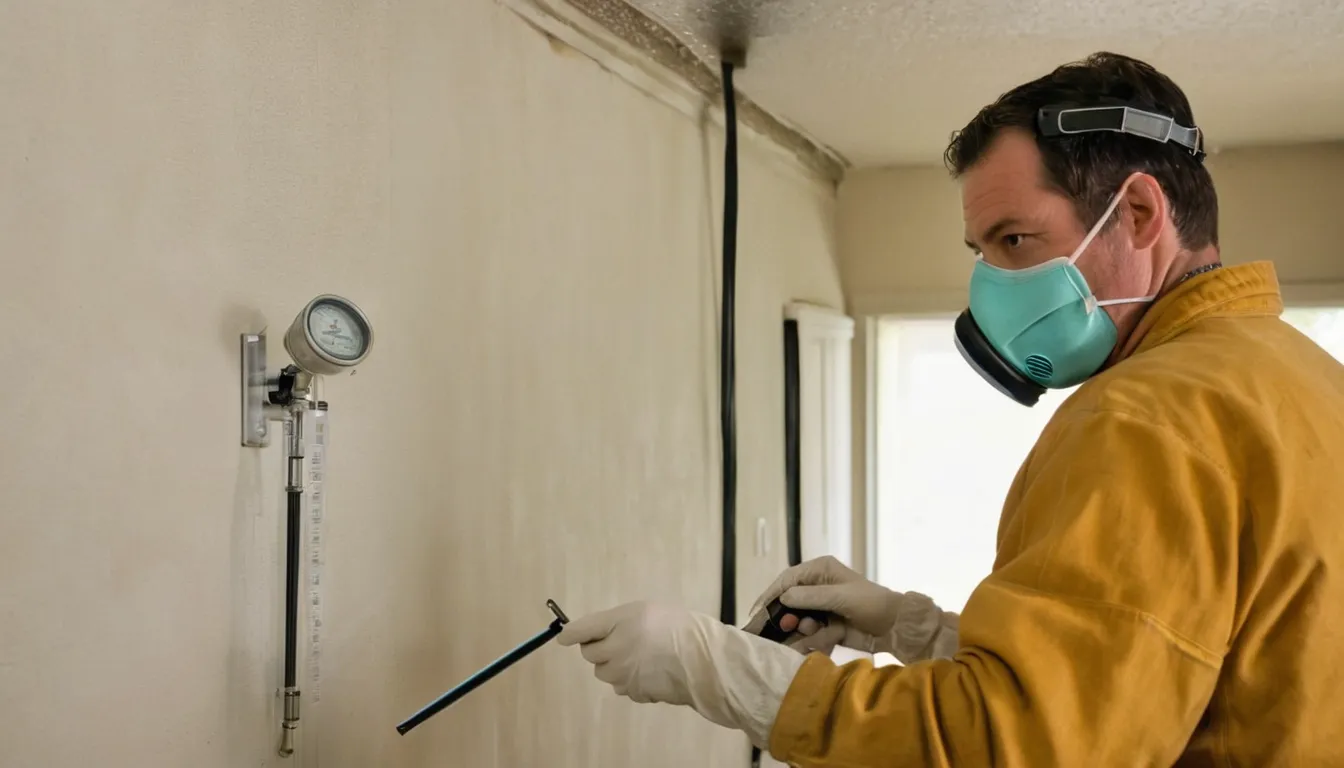
Dark green or black mold usually points to a spot that has stayed wet for a while. It often shows up on drywall paper, ceiling tiles, wood framing and the backs of baseboards. Color alone does not tell you the species, and a lab test is the only way to know. For planning and pricing, what matters more is how much material is affected and why it stayed damp.
A provider removes that material inside a sealed work area, cleans the surfaces that stay, and dries the space so growth does not restart. In older homes, black mold often sits behind paneling, under old linoleum or inside wall cavities next to a past leak. That hidden spread is the biggest reason quotes differ. Ask each provider how they will price surprises before work begins.
Spotted Black Mold? Start Here
Leave the patch alone for now. Wiping or spraying it can push spores into the air and onto other surfaces. Close the door to the room if you can, and turn off any fan or forced air that blows across the area.
Next, look for the water. A dark patch under a window may trace back to a failed seal. Growth low on a basement wall often follows a wet season or a sump problem. Note what you find and take a few photos.
Request Service
What People Mean by Black Mold
The phrase usually refers to dark mold that grows on wet, paper-faced materials. Several types look similar, and you cannot tell them apart by eye. Providers treat any heavy dark growth with the same care, so the removal plan rarely depends on the exact species.
We can't give medical advice. If anyone in your home has health questions, talk to a doctor.
Where It Tends to Grow
Basements
Finished basement walls, carpet pad and the bottom edge of drywall are common spots, especially after spring flooding or a sump pump failure.
Bathrooms
Poor exhaust and slow leaks around tubs and toilets can feed growth behind tile and under flooring.
Window Frames and Exterior Walls
Cold winters create condensation on old windows and against uninsulated walls. Over time, the wood and drywall nearby stay damp.
Attics
Roof leaks after hail and warm air rising from the house can both leave dark staining on roof boards.
Why Bleach Often Falls Short
Bleach can lighten the color on a hard surface, but it does little for mold rooted in drywall or wood. The water in bleach can even add moisture to porous material. Most providers cut out affected porous material and clean what stays with products made for the job.
How Removal Usually Goes
Containment
The provider seals the area with plastic and sets up air filtration to keep spores contained.
Cutting Out Damaged Material
Drywall, insulation, ceiling tile or carpet with growth is removed and bagged inside the work zone.
Cleaning and Treating
Framing, joists and other surfaces that stay are cleaned. Some providers sand or use a treatment on wood.
Drying and Checking
Dehumidifiers bring moisture down, and the provider confirms the area is dry before closing walls.
Request Service
Fixing the Cause
Black mold comes back where water keeps returning. Ask the provider what caused it in your home and whether the fix is in their scope. Gutters, grading, a sump pump, bath fans or attic venting may need work. Some of those fixes are small. Others are separate projects with their own price, so plan for both.
Your Belongings
Hard items such as metal, glass and sealed plastic can usually be cleaned. Soft items like upholstered furniture, cardboard boxes and carpets may be harder to save. Ask the provider what they recommend for each item and whether cleaning contents is part of the quote. For low-value items, replacing them may cost less than cleaning.
What to Ask Before You Hire
- How many square feet will be removed, and how did you measure it?
- Is containment and air filtration included?
- What happens to the price if more growth turns up behind a wall?
- Do you test after removal, or is a separate check recommended?
- Is rebuild included, or will I need another contractor?
Clear answers make it easier to compare two quotes on equal terms.
What's Included
Sealed Removal Work Area
Plastic sheeting and filtered air keep dark mold spores inside the space being cleared.
Porous Material Removal
Drywall, insulation and carpet with heavy growth are cut out, bagged and taken away from your home.
Surface Cleaning
Wood framing and hard surfaces that stay are cleaned and treated.
Cause and Drying
The provider dries the area and explains what kept it wet in the first place.
What Black Mold Removal Usually Costs
These are typical U.S. ranges and vary by job. Price follows square footage, access and how deep the growth goes. Get a written quote and compare at least two.
| Area | Typical range | Notes |
|---|
| Bathroom wall or ceiling | $500 to $2,000 | Tile removal adds labor |
| Basement wall section | $1,200 to $3,500 | Finished walls cost more to open |
| Window frames and exterior wall | $800 to $2,500 | Often tied to condensation |
| Attic roof boards | $2,000 to $6,000 | May include venting changes |
| Crawl space framing | $1,500 to $5,000 | Tight access affects price |
| Contents cleaning | $200 to $1,500 | Depends on the number of items |
Request Service
How It Works
Share the Details
Tell us where the dark growth is, how big it looks, and when you first noticed it.
Connect With a Provider
An independent provider in your area reaches out to arrange a visit.
Get the Plan Priced
The provider measures, finds the cause and writes up the scope and cost.
Choose What Happens Next
Hire them, get another quote, or wait. The decision stays with you.
Why Call Playbudget Mold Help
Price Lines You Understand
Estimates break out containment, removal and drying so nothing hides inside a single total.
Older Walls
Providers expect plaster, paneling and old patches, and explain how surprises are priced.
No Obligation
You choose whether to hire anyone. Take your time and compare written quotes.
Nearby Providers
Independent providers in the Indianapolis area who see basement and attic moisture often.
Other Services