How much is a mold inspection near me?
Across the U.S., a visual inspection often runs $200 to $400. Adding air samples usually brings it to $300 to $700. Larger homes and extra samples cost more. Ask for the price in writing before the visit.
Request an inspection estimate
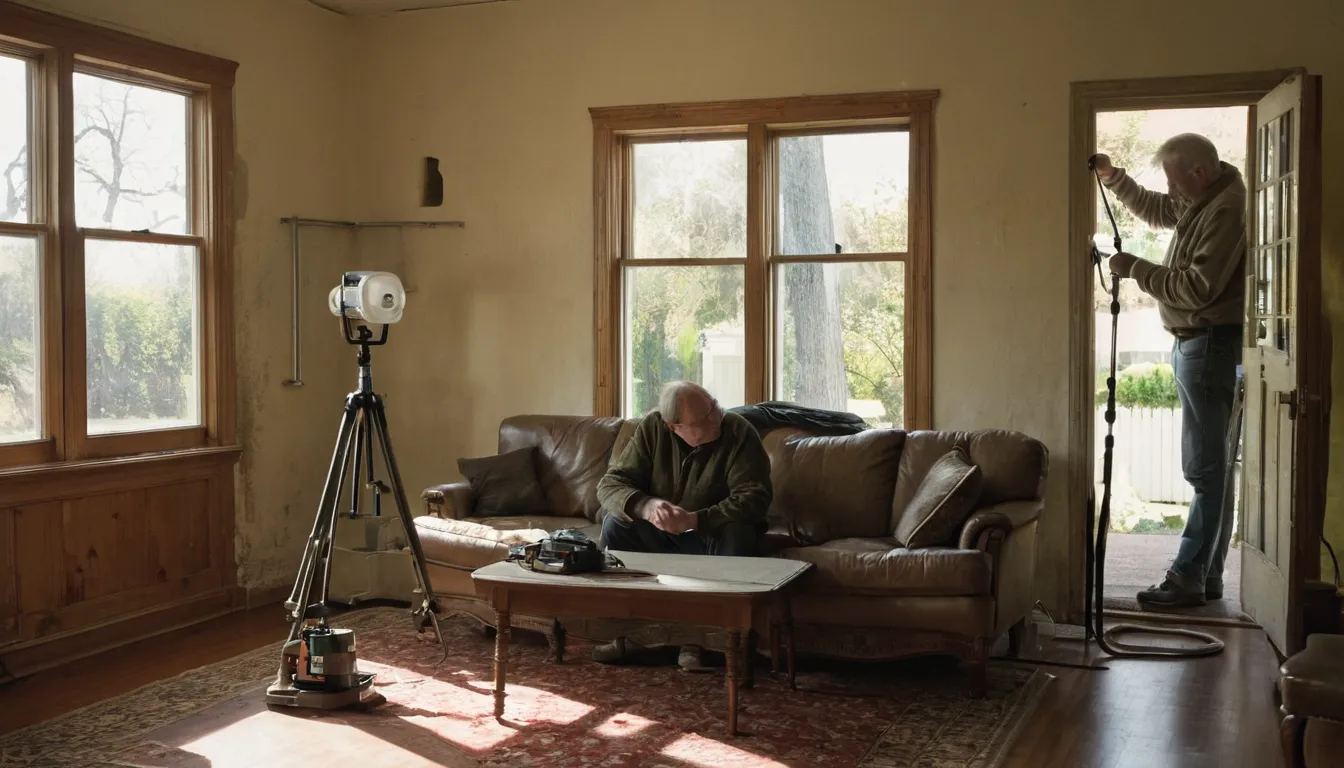
An inspection is a visual and moisture check of the house, focused on the places mold tends to grow. The inspector looks at basements, attics, bathrooms, window frames and anywhere with past water damage. Moisture meters and sometimes thermal cameras help find wet spots behind finished surfaces. Testing adds air or surface samples sent to a lab.
For a homeowner on a budget, the inspection is often the step that keeps a larger bill in check. It tells you whether a musty smell is a small problem or a sign of hidden growth, and it gives a remediation provider a clear scope to price. In older houses, where past repairs and closed-up cavities are common, knowing what is behind the wall before anyone opens it makes estimates easier to compare.
A musty odor with no visible growth is the most common reason people book an inspection. Before the visit, note where the smell is strongest and when it seems worse, such as after rain or when the furnace runs. Write down any past leaks or floods you know about. That history saves the inspector time.
A persistent smell in a closet, basement or crawl space often points to growth out of sight.
If water sat in a finished basement after a storm or a sump failure, an inspection shows how far moisture reached.
A pre-sale check gives buyers and sellers a clear record and helps avoid surprises at closing.
An independent inspection gives you a baseline scope, so you can compare remediation quotes against the same facts.
If mold is plainly visible, limited to a small area, and the cause is obvious, testing may not change the plan. In that case, a remediation provider's own assessment may be enough. Ask whether testing would change anything before you pay for it.
The inspector walks the house with you and asks about past water problems. They check humidity, take moisture readings on walls and floors, and look into attics, crawl spaces and the mechanical room. Older homes usually get extra attention around foundation walls, plumbing stacks and spots where additions meet the original structure. Most visits take one to three hours.
A pump pulls air through a cassette, and a lab counts spores. An outdoor sample is often taken for comparison.
Tape lifts or swabs from a visible patch tell the lab what kind of growth is present.
A small hole lets the inspector sample air inside a wall without tearing it open.
Lab reports list spore types and counts. Indoor levels much higher than outdoor ones, or types that grow on wet building materials, suggest a moisture problem inside. The inspector should walk you through the report in plain words and tell you what they think it means for your house. We can't give medical advice, so take any health questions to a doctor.
Some homeowners prefer an inspector who does not do removal, so the findings stay independent from the sale of the work. Others prefer one provider for both to save scheduling time. Each approach has trade-offs. Ask any provider which they offer and how they keep testing honest.
Comparing answers from two inspectors often shows which one fits your budget and needs.
A walk through basements, attics, bathrooms and other areas where moisture tends to collect in older homes.
Meters and sometimes thermal cameras find damp spots hidden behind walls and floors.
Air, surface or wall cavity samples are sent to a lab for analysis.
Findings, photos and lab results in writing, with next steps you can use to compare remediation quotes.
These are typical U.S. ranges that vary by house size, number of samples and the lab used. Ask what each price includes and get a written quote before booking.
| Service | Typical range | Notes |
|---|---|---|
| Visual inspection only | $200 to $400 | No lab samples |
| Inspection with air samples | $300 to $700 | Usually 2 to 4 samples |
| Surface or tape samples | $50 to $150 each | Added to an inspection |
| Wall cavity sampling | $75 to $200 each | Small access hole |
| Larger homes or multi-level | $500 to $1,000 | More areas and samples |
| Clearance test after removal | $250 to $600 | Confirms work area is clean |
Tell us about the smell, stain or past leak and roughly how old the house is.
An independent inspector in your area contacts you to set a time that works.
The inspector checks the house and collects samples if they are needed.
Read the findings, ask questions, and decide whether removal makes sense.
An inspection gives you a clear picture of the problem before anyone prices removal or opens a wall.
Inspectors explain lab results in simple terms you can act on.
Use one report to compare several remediation quotes on equal footing.
Booking an inspection never commits you to removal work with anyone.
Across the U.S., a visual inspection often runs $200 to $400. Adding air samples usually brings it to $300 to $700. Larger homes and extra samples cost more. Ask for the price in writing before the visit.
It can be when growth is hidden, after a flood, or before a sale. Ask the inspector which certification they hold and which lab reads the samples.
Some homeowners prefer that so the results stay independent. Others choose one provider to save time. Either can work. Ask how the provider keeps testing separate from the sale of removal work.
Have a mold question about your house? Request a callback or send the request form, and we will connect you with an independent provider near you.
No obligation