How much does mold remediation usually cost?
Across the U.S., small jobs under about 10 square feet often run $500 to $1,500. Basement sections, crawl spaces and attics commonly fall between $1,500 and $6,000. Large jobs spread across several rooms can pass $10,000. The size of the area, access, the materials removed and any rebuild all affect the price. Ask each provider for a written estimate that lists every step.
Why do two mold quotes for the same house differ so much?
They usually describe different jobs. One quote may include containment, air filtration, drying and a final check, while another leaves some of those out. Square footage can differ too. Line the scopes up side by side, ask what each provider would do if more growth turns up behind a wall, and compare the full plan before you look at the total.
Does homeowners insurance cover mold?
It depends on your policy and the cause. Some policies may cover mold that follows a sudden event, such as a burst pipe or appliance failure. Gradual leaks, long-term humidity and flooding are often excluded or limited. Read your policy, talk to your agent, and ask the provider whether they can document the damage with photos and notes.
What happens when a mold provider comes to my house?
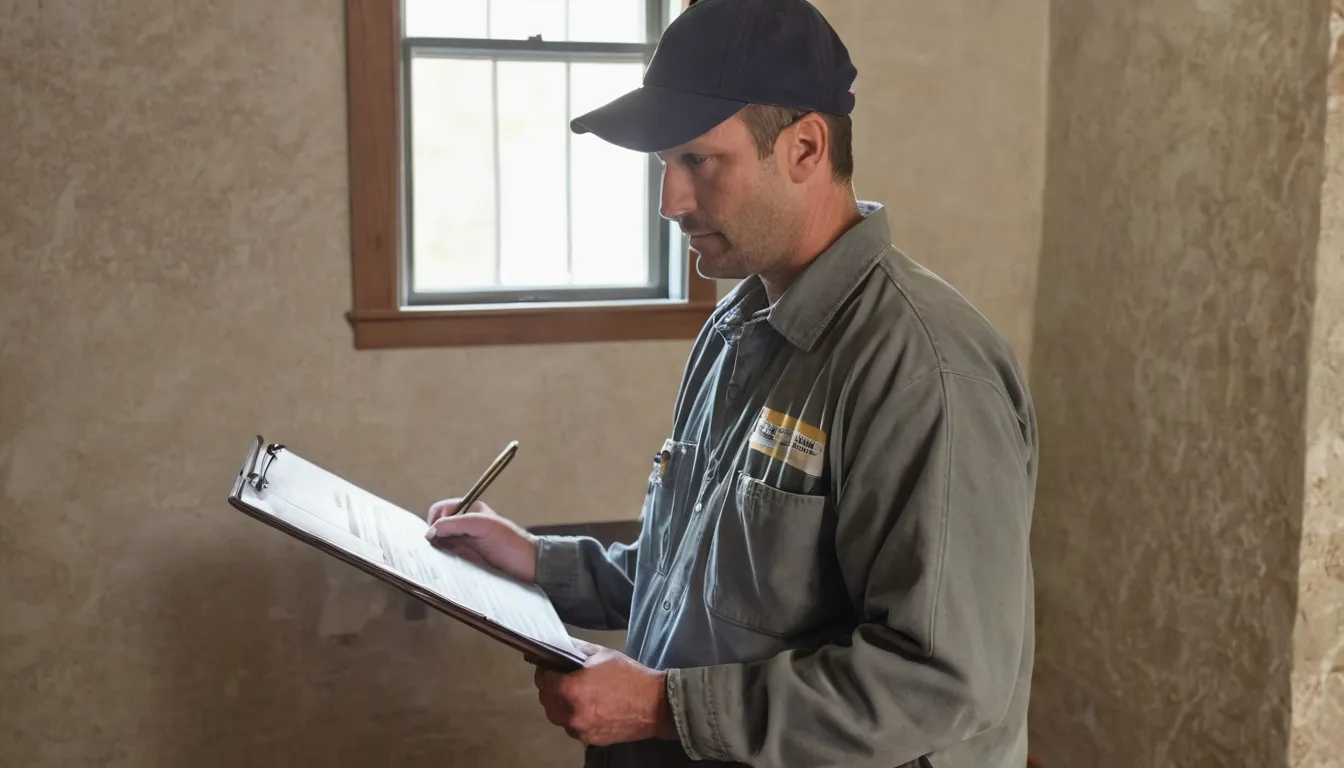
Most visits start with questions about leaks, floods and when you noticed the problem. The provider then looks at the affected area, takes moisture readings, and checks nearby spaces such as the attic, basement or crawl space. In older houses, they may look closely at past repairs. Afterward, you should receive a written estimate with the scope, the steps and the price.
Can I clean mold myself?
Small spots on hard surfaces, like tile grout or a window sill, are often fine for a homeowner to clean with soap and water while wearing gloves. Larger areas, growth inside drywall or insulation, or mold that keeps coming back usually need a provider with containment equipment. Fix the moisture first, or the mold is likely to return no matter who cleans it.
How do I know if I need testing or just removal?
If mold is visible, limited and the cause is clear, testing may not change the plan. Testing helps when you smell mold but cannot find it, after a flood, before a home sale, or when you want proof the area is clean after work. Ask a provider whether testing would change their recommendation before you pay for it.
Will mold in an older house cost more to fix?
Often it does. Plaster and lath take more labor to remove than drywall, and past repairs can hide water damage. Finished basements from decades ago may cover old leaks. A good estimate explains how the provider will price extra work if they find more once walls are open.
Can a mold provider answer health questions?
We can't give medical advice, and this site does not make health claims. If you or anyone in your home has health questions, please talk to a doctor. A provider can tell you what they see in the house and how they plan to remove it, but health questions belong with a medical professional who knows your situation.